Baby Bloom
A calm, focused web app for parents to track a baby's growth and milestones.
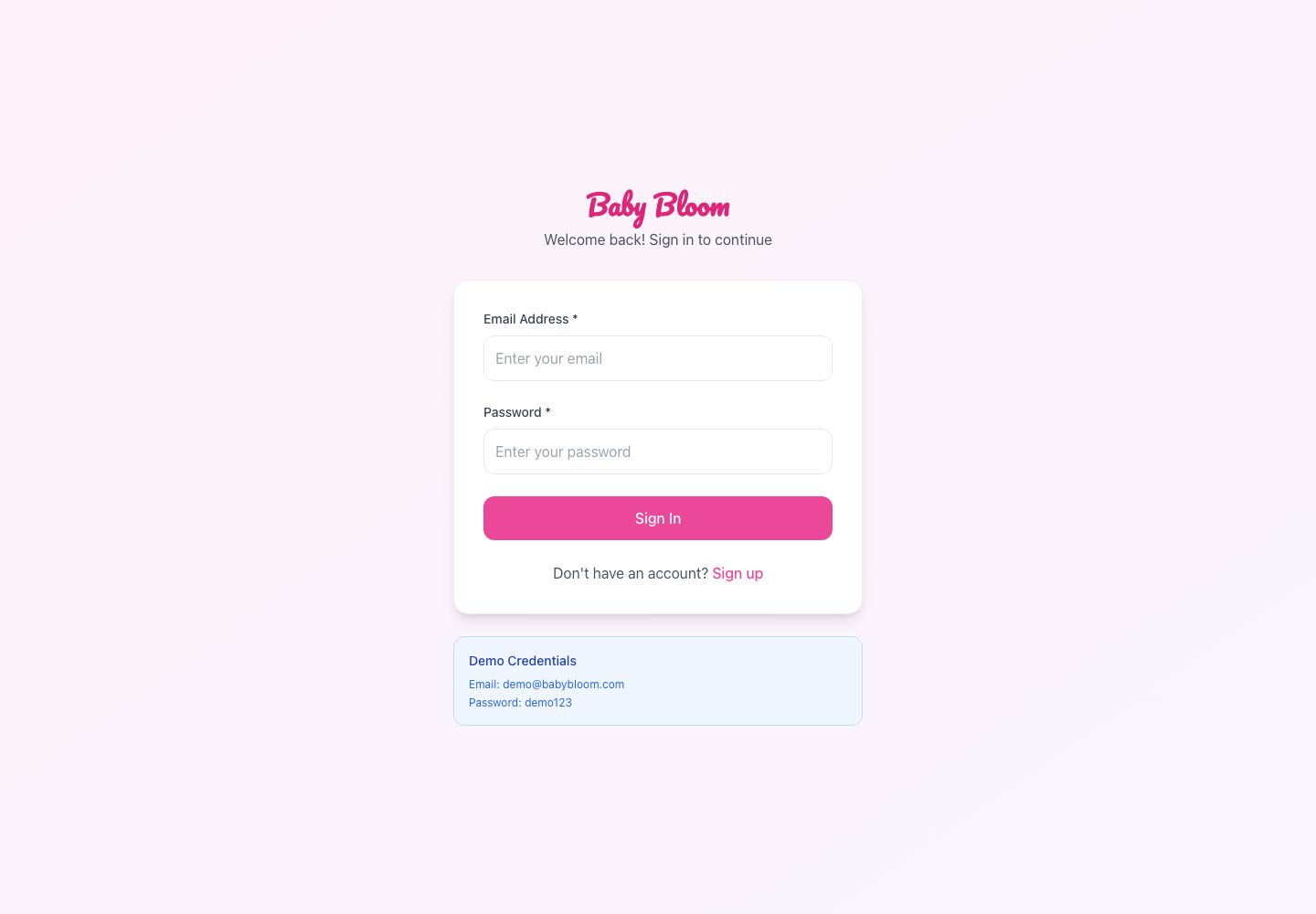
- Home for every milestone
- 1
- Sign in anywhere
- Web
- Focused UI
- Calm
The challenge
New parents track their baby's development across scattered notes apps, spreadsheets and their own memory — none of it built for the job.
Our solution
We designed and built a dedicated tracking portal so parents can log milestones, growth and routines in one calm, purpose-built place.
How we built it
The approach.
- 01
Design for the actual conditions of use
This is not software people sit down to use. It is opened one-handed, mid-task, often at night, and abandoned halfway through without warning. Every interaction was designed on that assumption rather than for an attentive user at a desk.
- 02
Make logging cost as little as possible
A tracker only works if it gets used in the moment. The fewer steps, decisions and screens between opening the app and having recorded something, the more likely the record actually exists.
- 03
Keep the interface quiet
No competing calls for attention, no gamification, no noise. Tired users need a clear surface, and clarity comes from what is left out.
- 04
Give the scattered records one home
Milestones, growth and routines in one place, so the history is somewhere it can be looked back on rather than spread across a notes app, a spreadsheet and somebody's memory.
Where baby records actually live
Ask new parents how they track their baby's development and the answer is almost always a collage: a few notes in a phone app, a spreadsheet somebody started with good intentions, some photos with dates attached, and a great deal held in memory.
None of it was built for the job. The notes app has no structure, so a milestone and a shopping list sit side by side. The spreadsheet demands a level of diligence that does not survive a bad week. Memory is doing a lot of quiet work, and memory during the first year is not at its best.
The result is not that parents fail to track things — they clearly do. It is that the record is fragmented, so looking back is harder than it should be, and the moments that were not written down in the first ten minutes tend not to get written down at all.
Designing for the state the user is in
Most software is designed for an attentive person at a desk, and most software gets to make that assumption safely. This one does not.
Baby Bloom is opened one-handed, mid-task, frequently in the middle of the night, by someone who has been interrupted and is about to be interrupted again. A session can end at any moment without warning, not because the user lost interest but because they were needed elsewhere.
That reframes the design problem. The question stops being "how do we present all the capability?" and becomes "how little can stand between opening this and having recorded the thing?" Every extra decision, screen or step is not just friction — it is a chance for the session to end before the record exists. A tracker that is slightly harder to use does not get used slightly less; it stops getting used.
So the interface is deliberately quiet. Nothing competes for attention, nothing is gamified, nothing prompts or nudges. Calm reads as a stylistic choice and is really a functional one: clarity, for a tired user, comes from what has been left out.
One home for the history
The other half of the problem is not capture but retrieval. Records scattered across three apps are effectively unsearchable — the information exists, but nobody is going to reassemble it a year later.
Milestones, growth and routines living in one purpose-built place means the history is somewhere it can actually be looked back on. That is the real return on the discipline of logging: not the entry itself, but being able to see the shape of a year afterwards.
Building it for the web serves the same end. There is no install step and no device that holds the only copy — sign in from whatever is nearest, which given the circumstances is not always the same phone.
Where it landed
A dedicated tracking portal built with Vue, Nuxt and PostgreSQL, with milestones, growth and routines in one calm, purpose-built place. The engineering here is unremarkable by design. The work that mattered was restraint: deciding what not to put on the screen so the app stays usable by someone with one hand free and very little attention to spare.
Frequently asked questions
What does Baby Bloom track?
Milestones, growth and routines, in one purpose-built place rather than spread across a notes app, a spreadsheet and memory.
Why does a calm interface matter for a tracking app?
Because of when it gets used. This is software opened one-handed, mid-task, often at night, by someone who may be interrupted at any moment. Every extra step or decision is a chance for the session to end before anything is recorded — so restraint in the interface directly determines whether the record exists at all.
Why build it as a web app?
No install step, and no single device holding the only copy. Parents can sign in from whatever is nearest, which in practice is not always the same phone.
Keep exploring
More work.
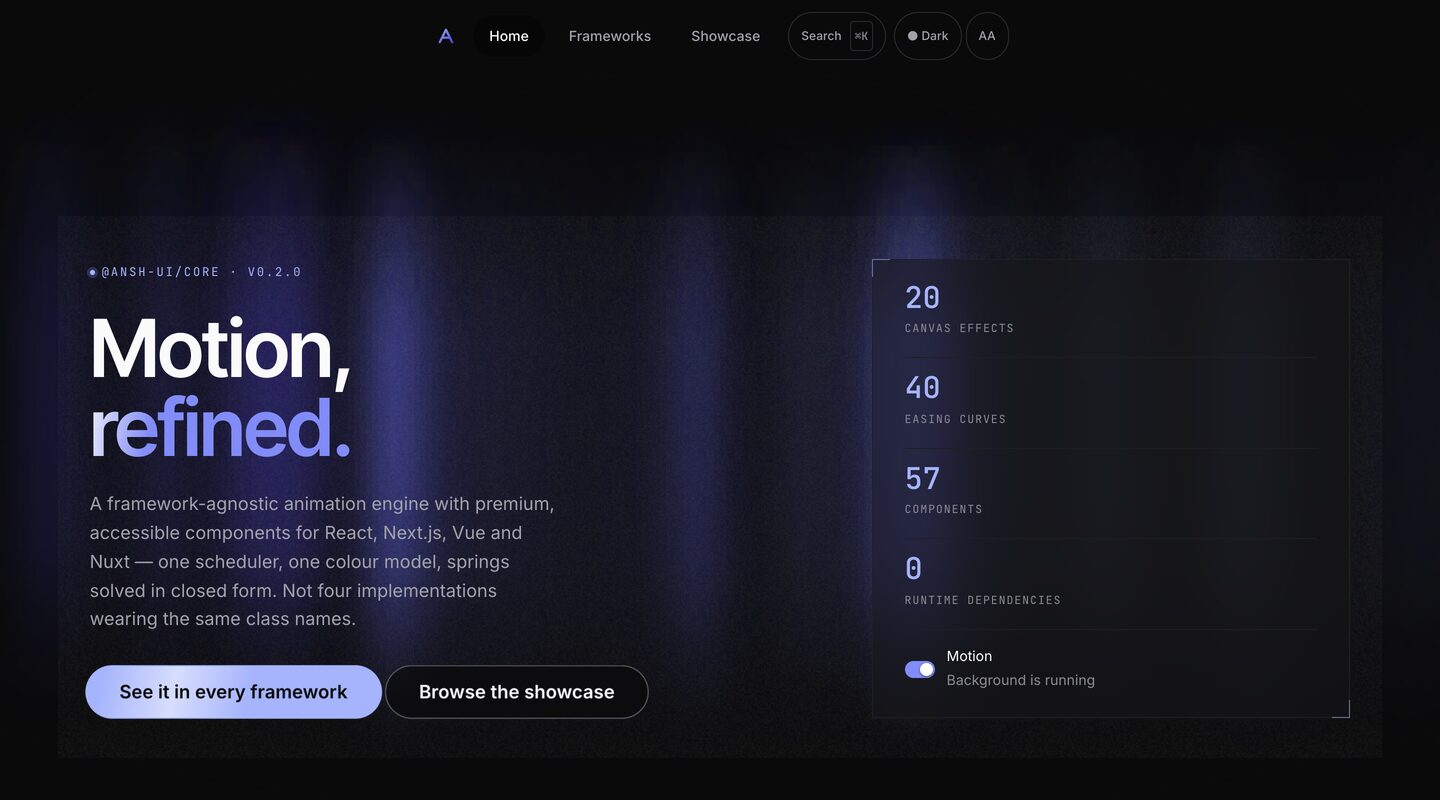
Ansh
Open source
A framework-agnostic animation engine and component library for React, Next.js, Vue and Nuxt.
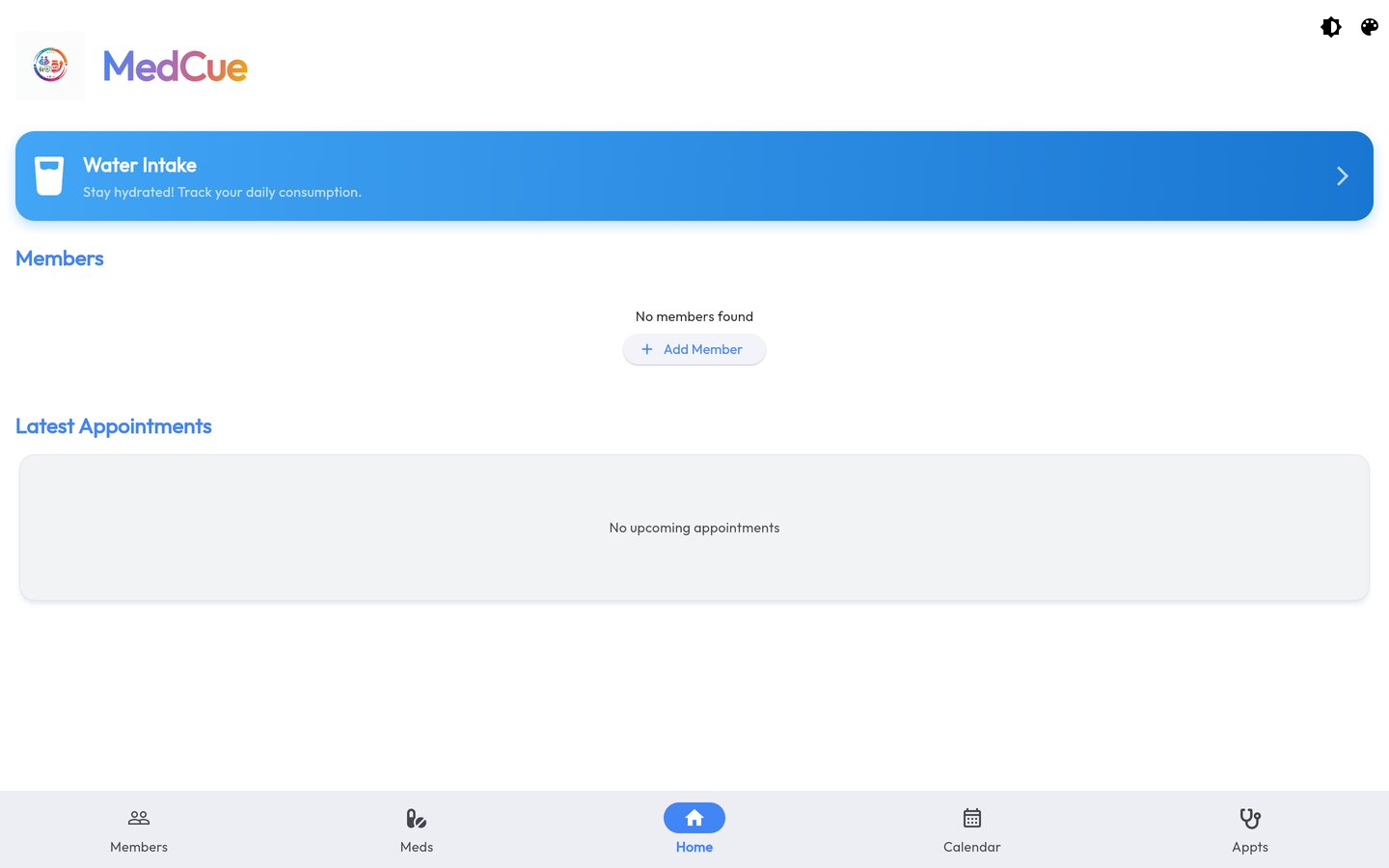
MedCue
MedCue
A Flutter health companion — medication schedules, appointments, water intake and family members in one app.
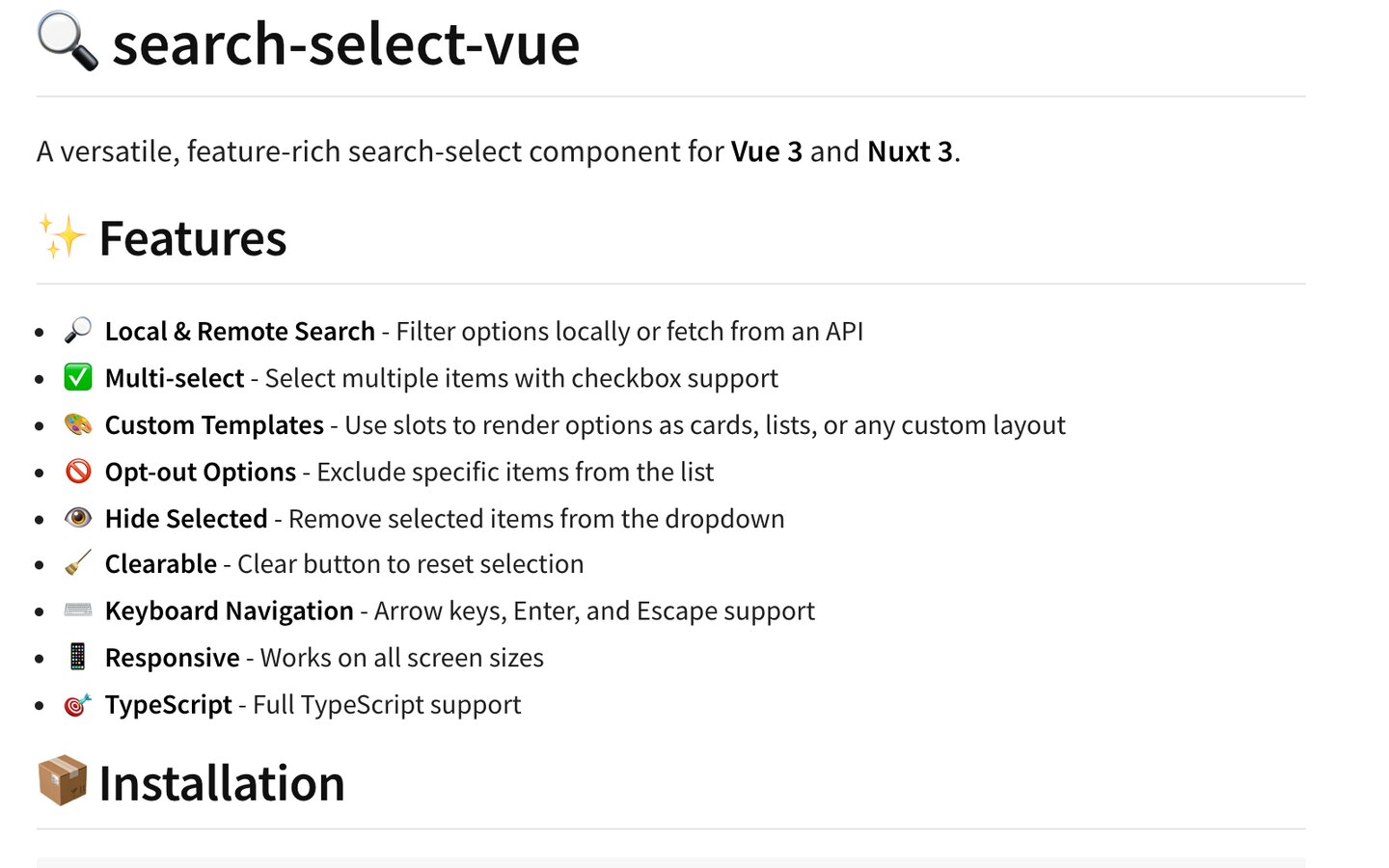
SearchSelect Vue
Open source
An open-source search-select component for Vue 3 and Nuxt 3.
Let's build together
Have somethingworth building?
Tell us about it. You'll get an honest read on scope, timeline and cost within one business day — from the people who would actually do the work.
Or email us directly — info@techiesofepi.com